
I treated self-improvement like a series of small purchases. Each “slightly better” version of something I already owned seemed to offer smoother routines, better performance, or a sense of progress. Because the changes were modest, the decision always felt sensible rather than indulgent.
What I didn’t realize right away was how unsettled that habit left me. My space looked thoughtful, my systems appeared intentional, yet there was a low-level restlessness running through it all. Nothing ever truly felt complete. There was always another upgrade waiting, always a quieter promise that the next version would finally be the right one.
Stepping away from that cycle wasn’t a dramatic decision. It unfolded slowly, through small pauses, moments of doubt, and eventually a clearer understanding of what I actually needed.
Choosing not to replace things that were already working became surprisingly stabilizing. It helped me trust what I own, trust my routines, and trust my own judgment about when something is genuinely necessary and when it is simply “new.”
The Subtle Pressure to Always Improve
Modern living encourages constant optimization, often disguised as practicality. We are told that small upgrades lead to better outcomes, and that refusing improvement is a sign of complacency rather than discernment.
I noticed how often language like “more effective,” “cleaner design,” or “improved formula” influenced my choices, even when the item I already used had never disappointed me. The promise of refinement became difficult to resist, especially when the cost felt manageable.
What I eventually realized was that this kind of improvement does not always improve life. Sometimes it simply introduces motion where stability would have been more valuable.
When Good Enough Became a Source of Calm
The shift began when I stopped asking whether something could be better and started asking whether it was already working. This distinction seems small, but it changed everything.
When I looked honestly at my routines, I saw that many of the items I considered upgrading had never caused friction. They did their job quietly, without demanding attention, which is precisely why they were easy to overlook.
By choosing to stay with what worked, I began noticing something unexpected. My routines felt smoother. My environment felt more settled. I stopped evaluating my choices constantly, and that internal quiet was far more valuable than any marginal upgrade I could have purchased.
Good enough, I learned, is not a compromise when it is chosen intentionally. It is a form of confidence.
How This Shift Changed My Relationship With Style and Self-Care
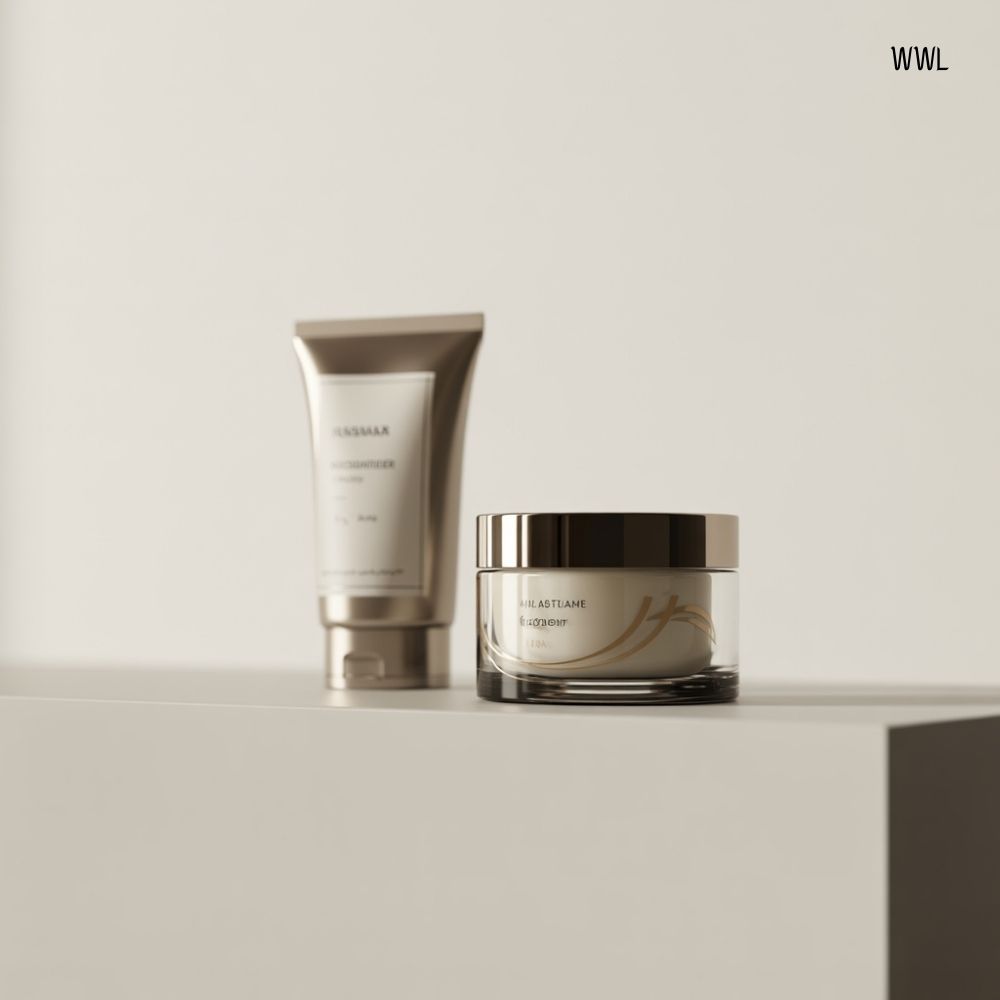
In beauty and self-care especially, the temptation to upgrade is relentless. New tools promise better results, newer formulas claim deeper efficacy, and refined packaging suggests sophistication.
I used to interpret these signals as opportunities for improvement, but over time, I noticed that constant replacement disrupted the very routines meant to support me.
Once I committed to using what I already trusted, my self-care practices became more embodied and less performative. I stopped evaluating outcomes constantly and started noticing how I felt during the process.
Familiarity created ease. Ease created consistency. Consistency created results. The refinement I was searching for had never been in the upgrade. It was in the repetition.
The Financial Ease That Followed
Although this mindset shift was not initially about money, the financial clarity it created was undeniable. When I stopped replacing things unnecessarily, spending decisions became simpler and more deliberate.
I no longer needed to justify purchases emotionally or aesthetically, because I was no longer buying from restlessness.
Saving money became a natural outcome rather than a goal. More importantly, the money I did choose to spend felt aligned rather than impulsive. I invested with confidence instead of curiosity, which made each purchase feel meaningful rather than provisional.
There is a quiet empowerment in knowing that your finances reflect discernment rather than reaction.

When I Do Choose to Replace Something Now
This shift did not turn me into someone who avoids change entirely. I still replace items when they no longer serve me, when my needs evolve, or when something truly fails. The difference is intention.
Now, replacement is a response to reality, not to marketing. It happens from clarity, not comparison. When I choose something new, it is because the old no longer fits, not because the new promises to be marginally better.
That distinction has made every upgrade feel purposeful rather than habitual.
The Emotional Clarity I Didn’t Expect
Letting go of constant upgrading created emotional spaciousness I hadn’t anticipated. My home felt calmer. My routines felt grounded. There was less internal negotiation, less second-guessing, and far fewer moments of subtle dissatisfaction.
I no longer felt the urge to refine endlessly. I felt settled, and that sense of settlement became deeply reassuring. It reminded me that refinement is not about perpetual improvement, but about knowing when to stop.
Once I embraced this philosophy with physical items, it began influencing other areas of my life. I stopped optimizing routines that already worked. I stopped tweaking habits that supported me consistently. I allowed myself to stay with what felt aligned, even if something newer appeared more impressive.
This steadiness created momentum of a different kind. Instead of moving forward through change, I moved forward through trust.
Final Thoughts
Choosing not to buy “better” versions of things I already use has been one of the most quietly transformative decisions I’ve made. It improved my confidence by reinforcing self-trust, eased my finances by removing unnecessary motion, and clarified my environment by allowing it to settle.
In a culture that equates progress with constant improvement, choosing to stay can feel radical. Yet in my experience, true refinement often comes from restraint. When you stop chasing better, you begin to recognize when what you already have is not just sufficient, but optimal.