
For years, I believed that rooms looked high-end because of what they contained. I assumed it was about price tags, designer names, or statement pieces that announced themselves the moment you walked in.
They were clean, well cared for, and thoughtfully arranged, yet something subtle was missing, something I couldn’t name at the time.
The realization came unexpectedly one afternoon while visiting a friend whose home felt undeniably elevated. As I sat on her sofa, holding a cup of tea, I began noticing what wasn’t there just as much as what was.
There was no visual crowding, no competing colors, no unnecessary layers. The room felt composed, calm, and intentional in a way that didn’t ask for attention, yet quietly held it.
On the walk home, I kept replaying that feeling. It was restraint, clarity, and a series of small decisions layered together thoughtfully. That moment reshaped how I approached my own home.
I stopped chasing dramatic transformations and began focusing on subtle upgrades that worked together quietly, the way good tailoring or a well-edited routine does. Over time, these small changes shifted the entire tone of my space, making it feel more refined, more grounded, and unmistakably more high-end.
Why “High-End” Is More About Editing Than Adding
One of the most persistent misconceptions about elevated interiors is that they require more. More furniture, more decor, more personality, more statements. In reality, what separates an ordinary room from a high-end one is often what has been removed rather than what has been added.
I learned this the same way I learned to edit my closet. It feels expensive because every piece earns its place. Rooms work the same way. When too many elements compete for attention, nothing feels intentional.
Once I understood that high-end living begins with restraint, every upgrade I made became more effective because it was built on a cleaner, calmer foundation.
Upgrade One: Lighting That Softens Rather Than Shouts
The first change I made, and the one with the most immediate impact, was lighting. I had lived for years with bright overhead lights that were practical but unforgiving, flattening the room and stripping it of warmth. I didn’t realize how much they affected my mood until I stopped relying on them.
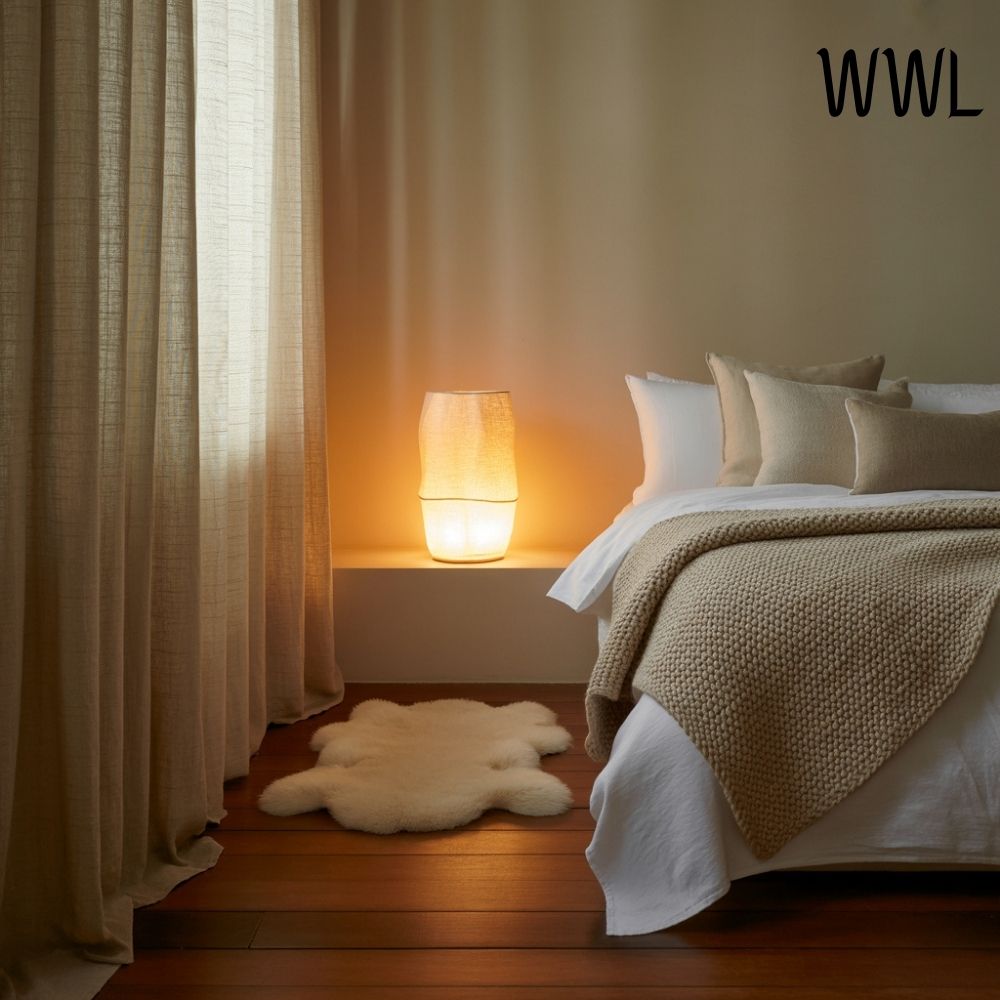
I introduced layered lighting instead, using table lamps, floor lamps, and wall sconces that created pockets of softness rather than a single source of brightness. The room immediately felt more dimensional. Shadows became intentional. Evenings felt calmer. Conversations slowed naturally.
What surprised me most was how much more expensive the space felt without changing a single piece of furniture. Soft lighting creates intimacy, and intimacy is one of the quiet markers of a high-end room.
Upgrade Two: Fewer, Better Textures
For a long time, I treated texture as something to accumulate. I added pillows, throws, rugs, and decorative objects, believing that layering automatically created richness. What I eventually noticed, however, was that too many textures diluted each other, creating visual noise instead of depth.
The shift happened when I removed half of what I had added and focused instead on quality and contrast. A single linen throw replaced multiple synthetic ones. A wool rug anchored the room instead of several smaller pieces competing for space. Smooth ceramics were paired intentionally with raw wood and stone.
By simplifying textures and allowing each one to be felt and seen clearly, the room gained a sense of quiet luxury. High-end spaces rarely overwhelm you with texture; they invite you to notice it slowly.
Upgrade Three: Hardware That Feels Considered
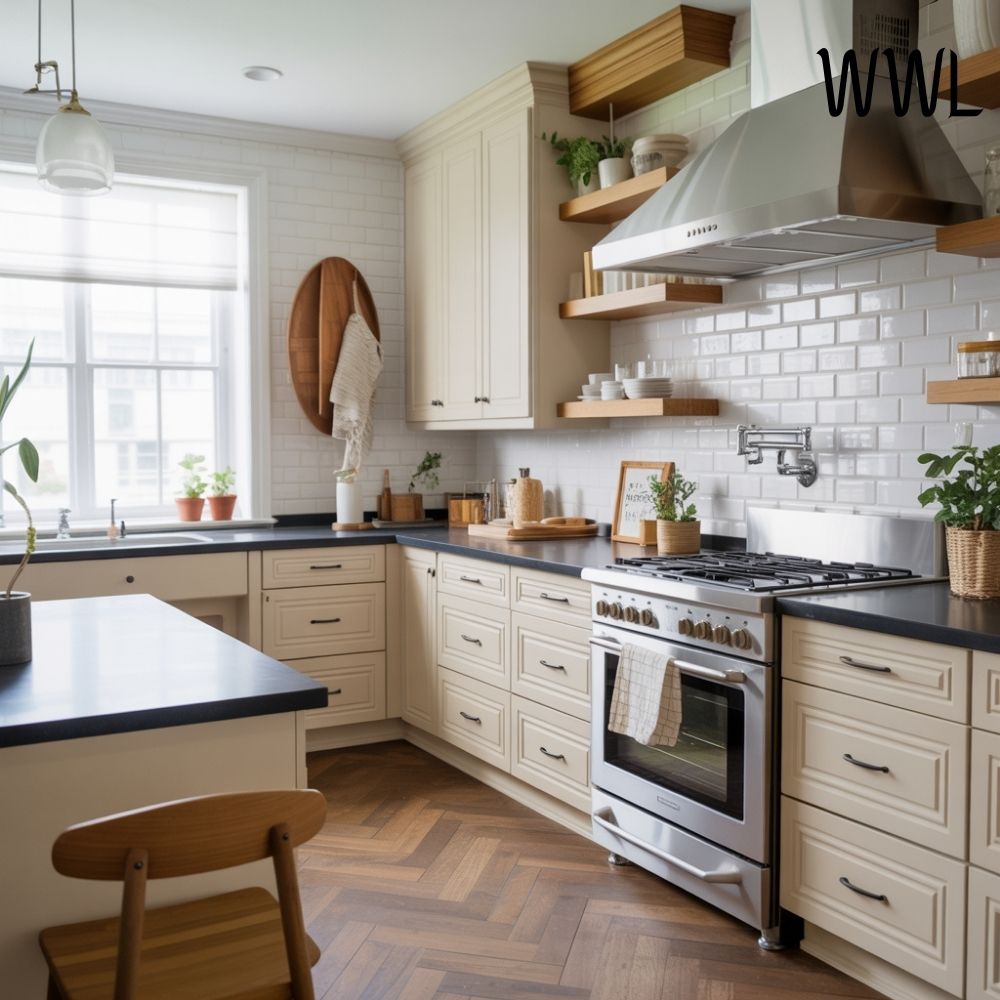
This was one of the smallest upgrades I made, yet one of the most transformative. I replaced basic drawer pulls and cabinet handles with simpler, more refined hardware in finishes that felt intentional rather than default.
Brushed brass, soft matte black, and warm metal tones added subtle contrast without demanding attention. These details are rarely noticed individually, but together they elevate the entire room. They signal care. They suggest that decisions were made thoughtfully, not hurriedly.
I realized that high-end spaces often whisper their quality rather than announce it, and hardware is one of the ways they do so.
Upgrade Four: Space to Breathe
One of the most overlooked upgrades is empty space. I used to feel compelled to fill surfaces, believing that styled meant complete. Over time, I noticed that the rooms I admired most allowed space to exist unapologetically.
I began clearing surfaces intentionally, leaving side tables partially empty, allowing shelves to hold fewer objects, and resisting the urge to fill every corner. The result was immediate. The room felt calmer, more composed, and more confident.
Negative space functions like silence in a conversation. It gives weight to what remains. When a room has space to breathe, it feels designed rather than decorated, and that distinction is central to a high-end aesthetic.
Upgrade Five: One Anchoring Element Instead of Many Accents
I used to rely on multiple small accents to give a room character, but they often ended up feeling scattered. The change came when I chose one anchoring element per room and allowed everything else to support it quietly.
In my living room, it became a large piece of art with restrained color. In my bedroom, it was the bed itself, dressed in crisp, neutral bedding. Once the anchor was established, everything else fell into place naturally.
High-end rooms know what they are about. They don’t tell several stories at once. They commit to one and let it lead.
Upgrade Six: Consistency in Color Temperature
This is a detail many people overlook, but it makes an enormous difference. I noticed that some rooms felt unsettled without knowing why, until I realized that warm and cool tones were fighting each other.
I began editing color temperature intentionally, choosing either warm or cool undertones and sticking with them throughout the room. Light bulbs, metals, fabrics, and finishes were adjusted accordingly.
Once everything spoke the same visual language, the room felt calmer and more cohesive. High-end spaces rarely mix temperatures carelessly; they commit fully, and that commitment reads as sophistication.
Upgrade Seven: Objects That Feel Personal, Not Decorative
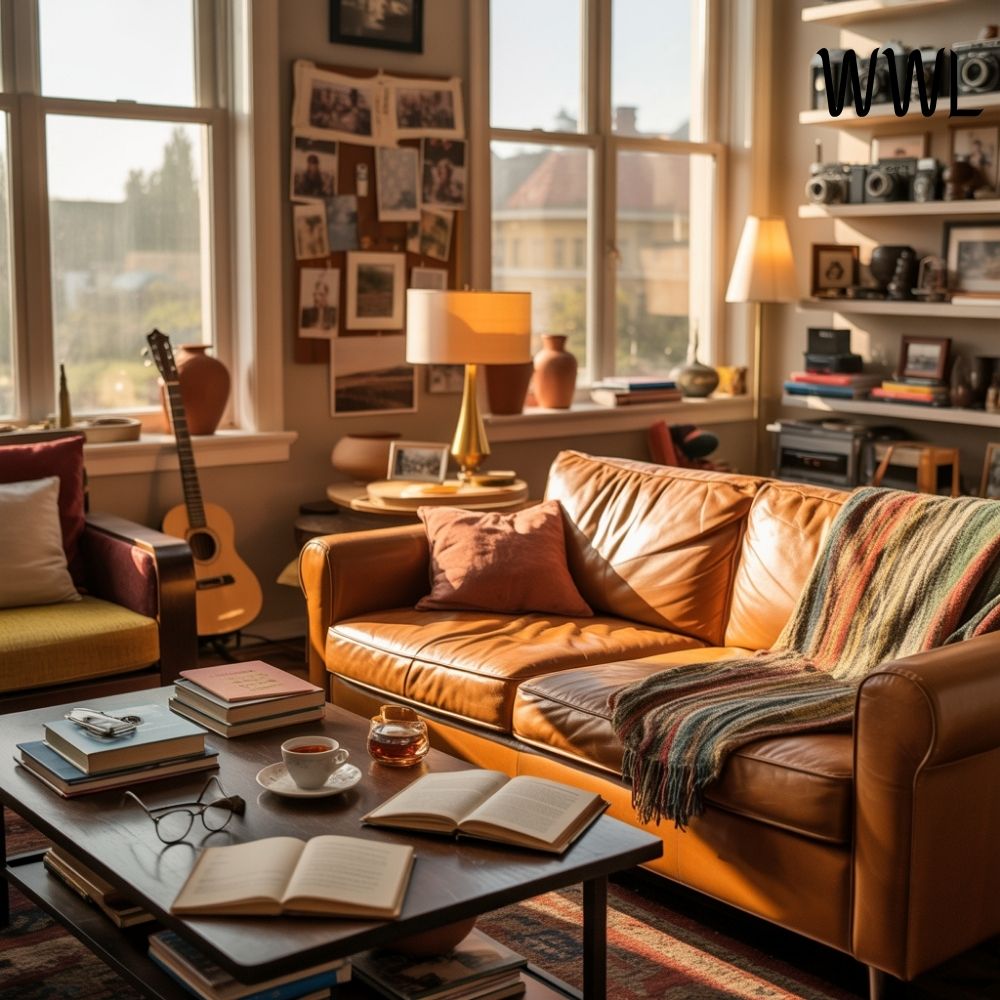
One of the most meaningful upgrades I made was replacing purely decorative objects with pieces that carried personal weight. A book I revisit often. A ceramic bowl I use daily. A framed photograph that holds quiet significance.
These items don’t shout for attention, but they anchor the room emotionally. High-end spaces often feel lived-in, not staged, because they reflect real lives rather than aesthetic trends.
When a room feels personal in a restrained way, it feels timeless rather than fashionable.
Final Thoughts
The simple upgrades that made my rooms feel more high-end were never about extravagance. They were about intention, restraint, and respect for how space influences emotion. Each change was small on its own, but together they reshaped how my home felt and how I felt within it.
High-end spaces don’t rely on trends or price tags. They rely on clarity. They know what belongs and what doesn’t, and they aren’t afraid to leave space when something isn’t necessary. When you approach your home with that same mindset, refinement follows naturally.