
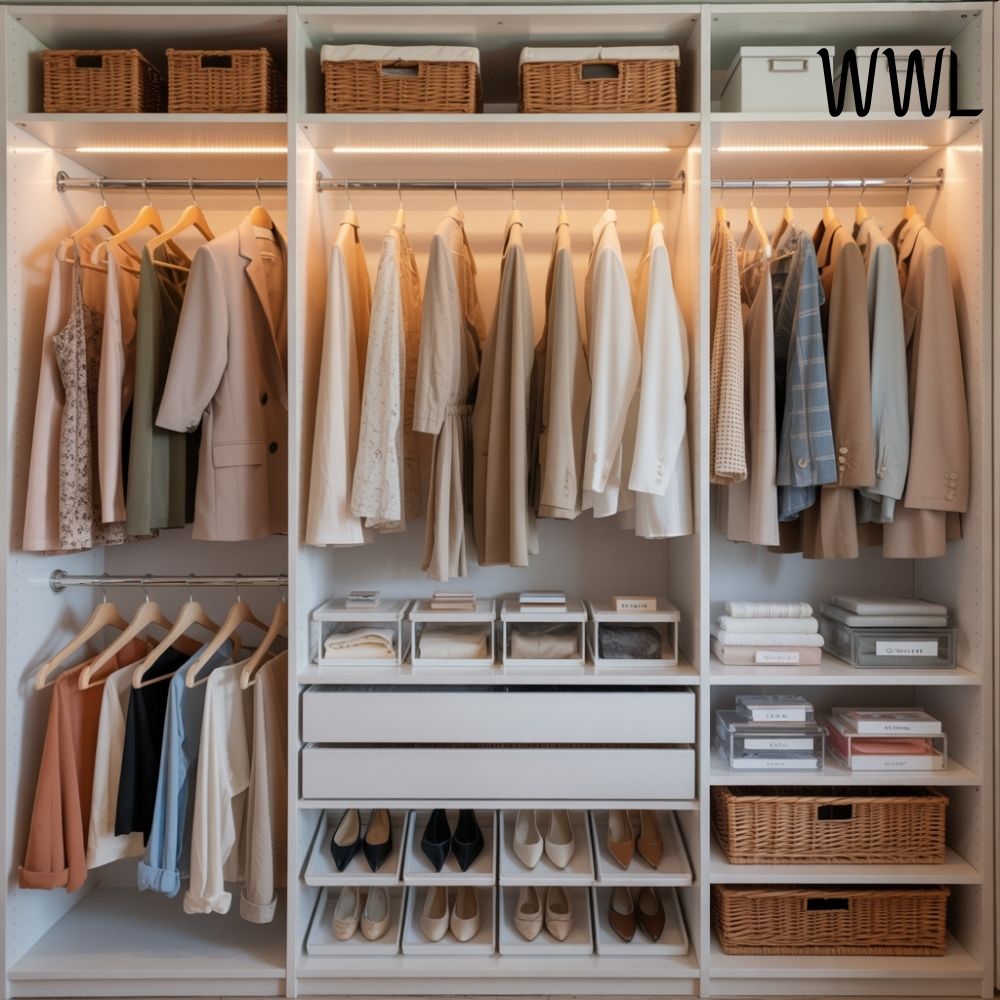
Several years ago, during a quiet Sunday morning at home, I found myself standing in front of my closet with the same familiar hesitation I felt almost every season. I was overwhelmed by how much of it no longer reflected who I was.
So I did what many of us do when clarity finally outweighs comfort: I began editing. Piece by piece, I removed anything that didn’t feel aligned with my current lifestyle, my aesthetic, or the woman I had grown into. What remained was a wardrobe that felt clean, intentional, and unmistakably mine.
Later that afternoon, while putting away a stack of sweaters, I noticed something that shifted how I viewed my home entirely.
My shelves were full of objects I didn’t love, my drawers held items with no purpose, and certain corners felt visually heavy simply because they had remained untouched for months. It was the beginning of a new philosophy that has shaped my home ever since.
Just as a well-edited closet builds a wardrobe that supports your daily life, an edited living space creates an environment that reflects your best self. Your rooms feel lighter. Your routines flow more smoothly. And you begin to experience your home as a place that supports you rather than demands your energy.
What follows is the process I embraced, the lessons I learned, and the emotional clarity that emerged once I realized a beautifully curated life begins with beautifully edited spaces.
How My Closet Taught Me to Rethink My Home
When I finished my closet edit that day, I remember feeling a kind of peaceful spaciousness that surprised me. It wasn’t about having fewer items. It was about having the right ones. Every piece I kept had a purpose. It either fit my life, flattered my shape, or brought genuine joy.
As I walked through the rest of my home, I realized those same standards weren’t present in the objects around me. Some décor pieces remained because I had spent money on them. Others stayed because I felt guilty letting them go.
The truth was that my environment had become a collection of past identities. And just like my closet had absorbed old preferences and outdated versions of myself, so had my living space.
That realization ignited something in me: the desire to edit my home the same way I edited my closet, piece by piece, story by story, intention by intention.
Where I Started: The Shelf That Held Too Much History
The first space I edited was a wooden shelf in my living room. It wasn’t cluttered, but it was heavy. Every object had been added during different phases of my life: travel souvenirs, gifted trinkets, candles I never lit, decorative pieces that once felt stylish but now looked visually busy.
Instead of rearranging or swapping items, I removed everything. The bare shelf suddenly felt like a blank canvas, one that asked me a single, powerful question: What actually deserves to return here?
I placed items back only if they met the same standards I applied to my closet:
- Does it reflect who I am today?
- Is it functional or aesthetic?
- Does it elevate the space instead of weighing it down?
Only a few pieces made it back. A pair of modern ceramic vases. A small stack of design books I revisit often. A single photo in a simple frame. The edited shelf felt calm, sculptural, and harmonious.
That moment became the foundation of how I now approach every room in my home.
Why Editing Your Space Creates Emotional Clarity
There’s something incredibly grounding about removing the unnecessary, especially from the spaces where you spend most of your daily life. Visual clutter quietly steals your focus. Excess décor creates noise you may stop noticing but still feel subconsciously. Full surfaces become reminders of postponed decisions.
When you edit your home the same way you edit your closet, you reclaim mental clarity. You create an environment that supports ease, calmness, and intentional living.
I noticed that after editing a single shelf, the entire room felt more breathable. Editing one room began influencing how I approached the rest.
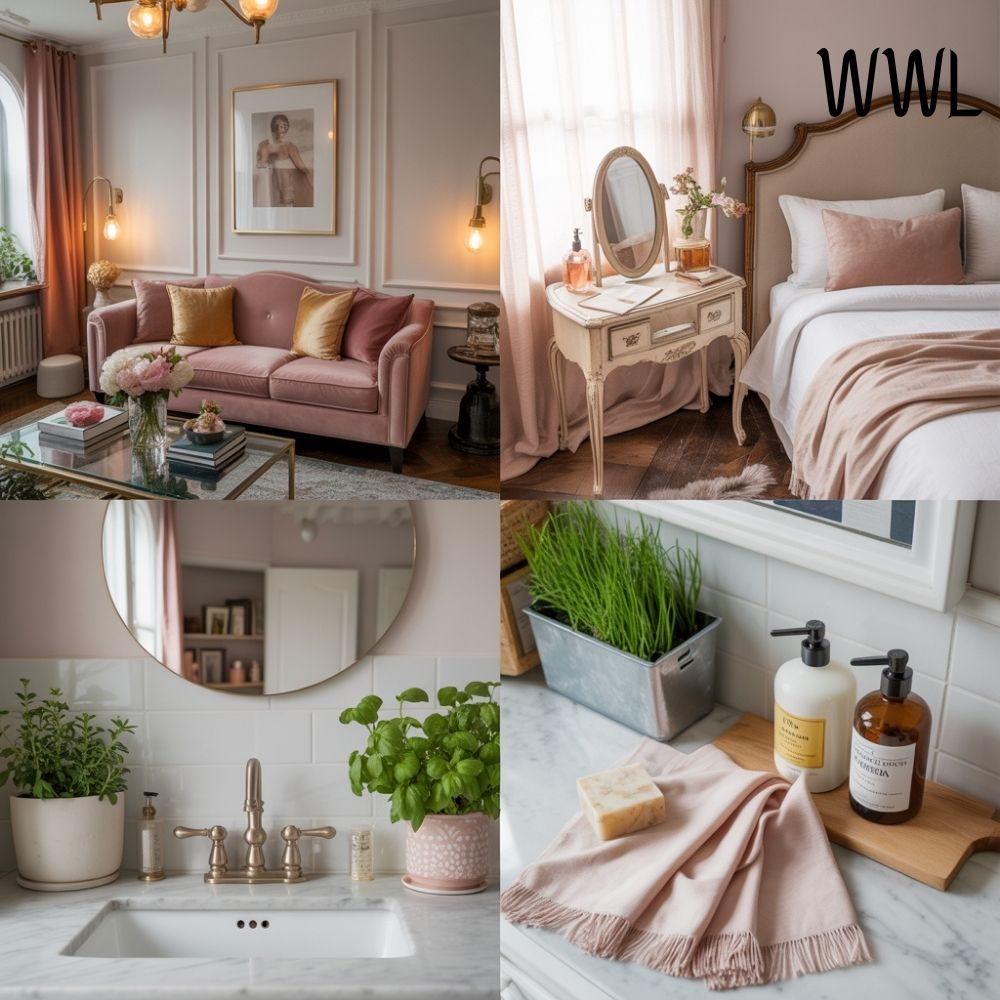
Applying Closet Principles to Home Editing
Here are the guiding principles I’ve adopted, ones that have transformed not just my home but also my habits.
1. Keep Only What Fits Your Life
Just as a dress that no longer suits your lifestyle doesn’t belong in your closet, objects that no longer align with your daily rhythms don’t belong in your home. Letting go isn’t rejection. It’s refinement.
2. Choose Items That Work Together Harmoniously
In a closet, this means cohesiveness of colors and silhouettes. At home, it means consistency in tones, textures, and materials. When pieces complement each other, your space feels modern and elevated without extra effort.
3. Prioritize Quality Over Quantity
A single well-crafted decorative object carries more visual impact than a cluster of items with no shared intention. Editing reveals the pieces worth investing in—and the pieces worth releasing.
4. Honor Negative Space
In fashion, negative space highlights the elegance of a clean silhouette. In interior styling, it gives the eye a place to rest. Empty space is not absence; it is breathing room.
5. Refresh Seasonally Without Overhauling
Just as you update your wardrobe each season, subtle home shifts bring freshness without clutter.
How Editing Changes the Way You Live
Here’s what I noticed once I began treating my space like my closet:
- I spent less time cleaning because there was less to organize.
- My routines became smoother because everything had a place.
- I felt more grounded and more aligned with my personal style.
- I made better purchasing decisions, guided by clarity instead of impulse.
- My home began to look and feel like a reflection of my modern identity.
The more I edited, the more my home felt like a sanctuary rather than a collection of “stuff.”
Final Thoughts
Editing your spaces the way you edit your closet is an act of refined self-respect. It requires awareness, honesty, and the willingness to let go of what no longer serves your life. But the reward is profound: a home that feels intentional, calm, and beautifully curated.
My closet taught me a powerful lesson about identity and my home taught me how deeply that lesson affects every corner of daily life. When you edit with purpose, you create an environment that strengthens your confidence, clarifies your mind, and supports the woman you are becoming.