
I believed that a space felt inexpensive when something was missing. I assumed the solution was always to add more, whether that meant another decorative object, another layer of texture, or another small DIY project meant to bring personality into the room.
I carried that belief quietly, even as I noticed a recurring pattern in my own home. Certain projects I completed with enthusiasm began to feel uncomfortable far sooner than they should have, and the rooms they lived in felt visually unsettled despite my best intentions.
The moment everything became clear happened while I was undoing one of those projects. The one DIY mistake that instantly cheapens a space is not about materials, craftsmanship, or budget.
It is about over-explaining a room through decoration, rather than allowing the space to speak clearly for itself. Once I recognized this, my entire approach to DIY changed, and the quality of my home changed with it.
Why Some DIY Projects Age Poorly Almost Immediately
DIY projects often begin with good intentions. We want to personalize our homes, add warmth, or solve a small functional problem creatively.
The issue arises when a project tries to do too much visually. When a DIY element explains itself too loudly, demands attention, or competes with the room rather than supporting it, the space begins to feel strained.
I noticed that the DIYs I regretted most were not poorly made. In fact, many were executed carefully. What they shared was visual insistence. They announced themselves instead of integrating. They added commentary where silence would have been more powerful.
A refined space does not need to explain its choices. It allows proportion, material, and restraint to do the work quietly.
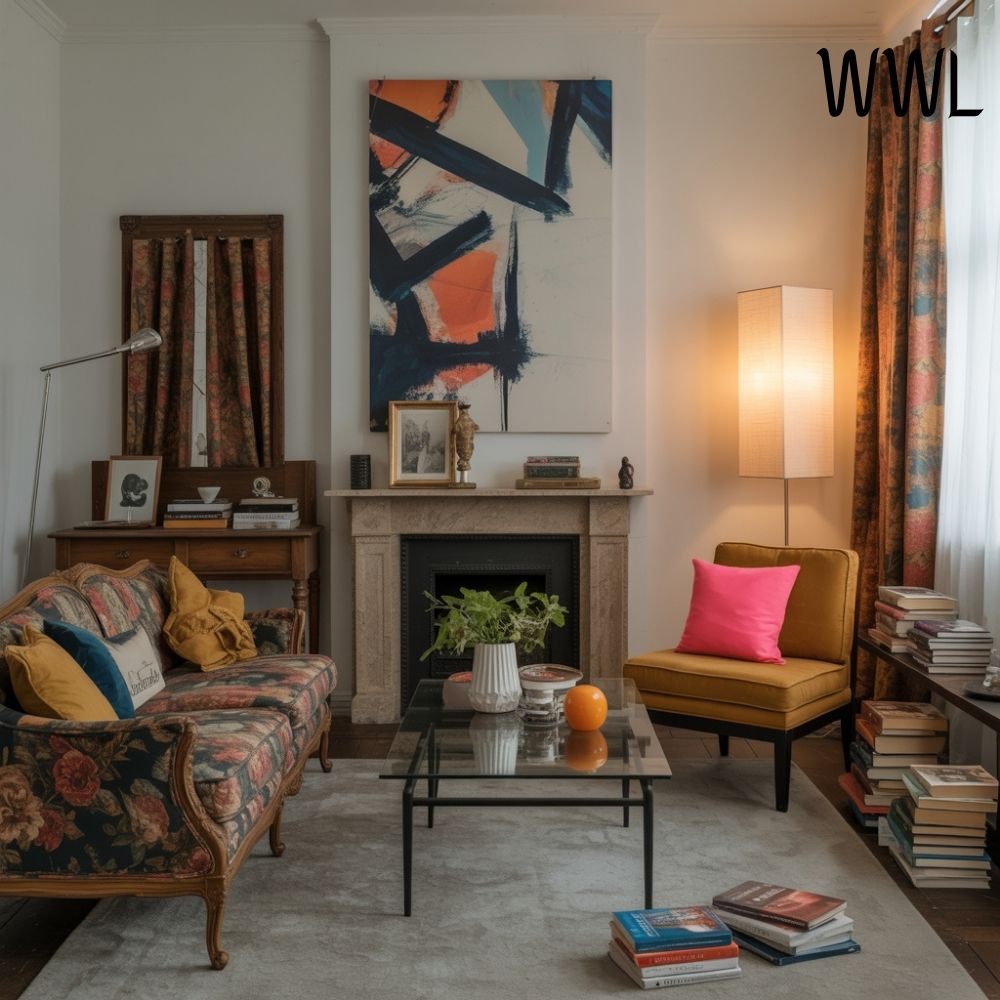
Decorating Without Assigning a Clear Role
The single mistake that cheapens a space instantly is adding DIY elements that do not have a clearly defined role. When something exists purely to fill space, it creates visual noise, no matter how tasteful it appears on its own.
I used to add projects because a wall felt empty, a surface looked bare, or a corner felt unresolved. What I wasn’t asking was whether the room actually needed something there, or whether the discomfort came from imbalance elsewhere. The result was a collection of well-meaning additions that diluted the room’s clarity.
High-end spaces feel expensive because everything in them has a job. When an object does not know why it exists, the room feels uncertain, and uncertainty is what reads as cheap.
How I Learned to Recognize This in My Own Home
The turning point came when I began paying attention to where my eye lingered uncomfortably. In rooms that felt cheapened, my gaze bounced instead of settling. There were too many points of interest competing for attention, none of them strong enough to lead.
I also noticed how often I felt the urge to adjust things. I would straighten, rearrange, and restyle repeatedly, yet the room never felt resolved. That constant need for correction was the clearest signal that something fundamental was wrong.
Once I began removing rather than adding, the room improved almost immediately. The mistake had never been lack of effort. It had been lack of hierarchy.
The Corrective Rule I Now Follow for Every DIY Project
Before beginning any DIY project, I now ask myself one question that has never failed me: What problem is this solving, and would the room suffer if this didn’t exist?
If the answer is vague, emotional, or rooted in boredom rather than necessity, I pause. That pause has saved me from countless projects that would have looked impressive for a moment and regrettable shortly after.
A strong DIY project either improves function, strengthens proportion, or clarifies flow. If it does not do at least one of those things, it is likely unnecessary.

How to Fix a Space That Already Feels Cheapened
If a room already feels visually cluttered or unsettled, the solution is not a new project. It is subtraction. I start by removing one element that draws attention without contributing structure. Often, that single removal allows everything else to breathe.
Next, I identify what the room is actually about. Is it meant to feel calm, social, intimate, or grounded? Once that intention is clear, any element that does not support it becomes obvious.
This process is not about minimalism for its own sake. It is about alignment. When a room aligns with its purpose, it immediately feels more refined.
The DIY Projects That Never Cheapen a Space
Over time, I noticed that the DIY projects that aged well shared specific qualities. They were quiet, structural, and adaptable. They improved how the room worked rather than how it looked at first glance.
Projects like built-in storage, simplified shelving, surface zoning, and lighting adjustments rarely feel dated because they serve the space rather than decorate it. These projects fade into the background in the best possible way, allowing the room to feel intentional without feeling styled.
When a DIY disappears visually but improves daily life, it almost always elevates the space.
Final Thoughts
The DIY mistake that instantly cheapens a space is not about taste or skill. It is about intention. When DIY projects exist without a clear role, they introduce uncertainty, and uncertainty is what undermines refinement.
Once I stopped decorating to fill space and started designing to clarify it, my home changed profoundly. The rooms felt calmer, more confident, and far more aligned with the way I actually live.
A truly elevated space does not show you how much work went into it. It shows you how well the work supports the life unfolding inside it.