
My home was curated with care, my wardrobe edited thoughtfully, my routines designed to support calm and clarity, yet when it came to money, I noticed a quiet disconnect I didn’t want to acknowledge.
I tracked expenses loosely, avoided looking too closely at certain numbers, and reassured myself that everything was “fine enough,” even when I sensed that something felt slightly misaligned underneath the surface.
The realization came one evening while reorganizing my living room. My space was refined, but my financial systems were not. They were functional, yes, but scattered, reactive, and built more on avoidance than intention.
That moment forced me to admit something that challenged my self-image slightly, which is that refinement cannot stop at aesthetics. If intention is truly a value, it has to reach every corner of life, including the ones we’re most tempted to keep vague.
Managing my finances intentionally became less about discipline and more about alignment, and the shift that followed reshaped not only how I handled money but how confident I felt moving through the world.
Why Financial Clarity Felt So Uncomfortable at First
I used to tell myself that money simply wasn’t my focus, that my energy was better spent elsewhere, but the truth was more nuanced. I didn’t avoid financial clarity because I didn’t care.
I avoided it because it required honesty. Looking closely meant admitting where money was leaking through impulse, where convenience had replaced intention, and where spending reflected moods rather than values.
Unlike decorating a room or editing a closet, finances carry emotional weight. They are tied to security, self-worth, independence, and future expectations, which makes them easier to rationalize than refine.
I realized that I had been managing my finances the way many people manage cluttered drawers, which is by keeping them closed and hoping functionality would substitute for clarity.
Once I saw that parallel, it became impossible to ignore. If I wanted a life that felt composed rather than reactive, my financial habits needed to reflect the same standards I expected everywhere else.
Treating Money Like a System
The first thing I changed was my mindset. I stopped viewing financial management as something restrictive and started approaching it the way I approach design, which is as a system meant to support flow.
Instead of asking how much I could cut back, I asked how I wanted my finances to function in my life. I wanted ease, transparency, and consistency. I wanted to know where my money was going without feeling tense every time I checked.
Most importantly, I wanted my spending to feel aligned with who I am now, not who I was five years ago or who I thought I was supposed to be.
That reframe changed everything. Financial management stopped feeling like a moral exercise and became an act of self-respect.
Editing My Finances the Same Way I Edit My Space
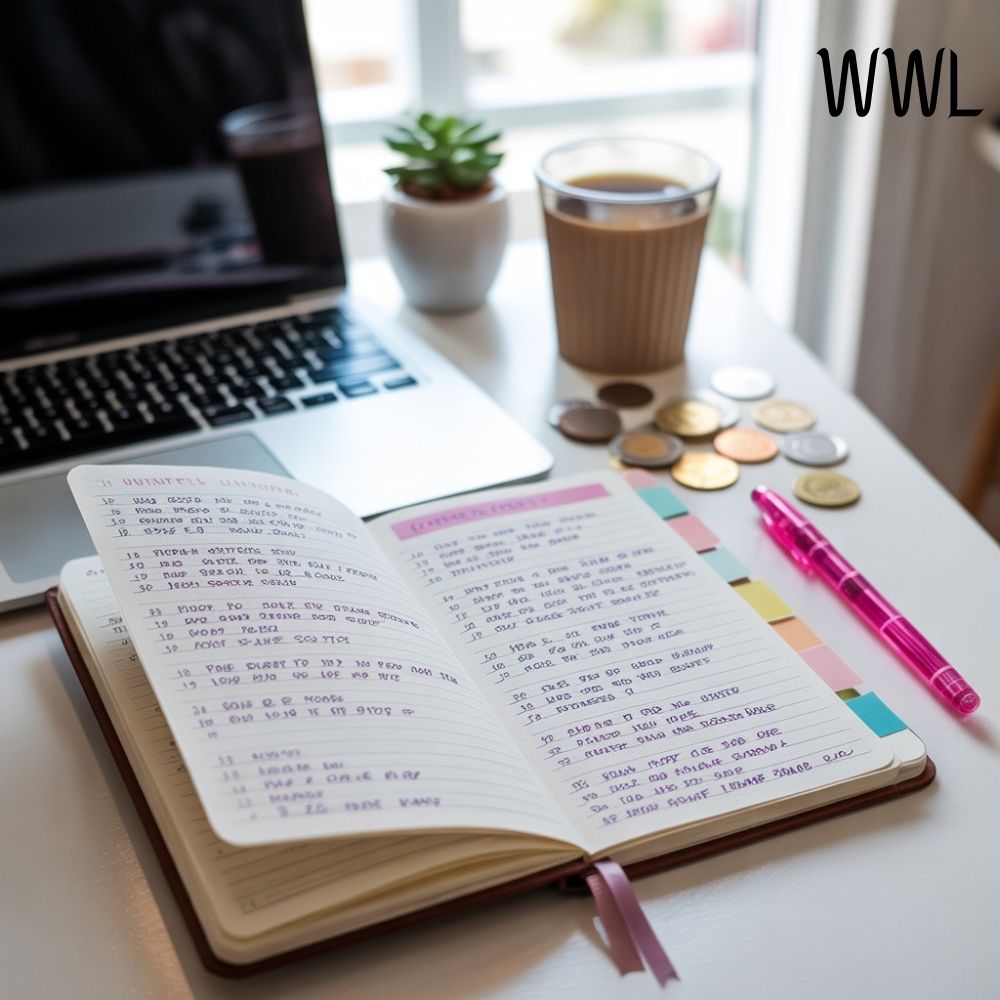
I began the process the same way I begin any edit: by laying everything out. I reviewed my accounts, recurring payments, subscriptions, and spending patterns without judgment, the same way I would survey a room before redesigning it. I didn’t rush to fix anything immediately. I observed.
What I noticed was subtle but telling. Certain expenses no longer reflected my values. Some purchases were habits rather than choices. A few recurring costs existed simply because I hadn’t taken the time to question them. Just as visual clutter dulls a space, financial clutter dulled my sense of control.
I removed what no longer served me, simplified what could be streamlined, and created clear categories that mirrored how I actually live. Housing, daily essentials, personal care, experiences, savings, and long-term goals each received their own place. Suddenly, my finances felt legible rather than overwhelming.
Why Fewer Financial Decisions Created More Confidence
One of the most unexpected outcomes of simplifying my financial systems was how confident I began to feel. Not because I had more money, but because I had fewer decisions to make on a daily basis. I stopped negotiating with myself constantly.
I stopped justifying purchases internally. When something fit within my structure, I allowed it without guilt. When it didn’t, I declined without drama.
That clarity created a sense of quiet authority over my own life. Confidence, I’ve learned, often comes from knowing your boundaries and honoring them consistently. Financial intention gave me that boundary, and with it came a deeper trust in myself.
Spending With Alignment Instead of Impulse
Impulse spending didn’t disappear overnight, but it changed form. Instead of reacting emotionally, I began pausing long enough to ask whether a purchase aligned with the life I was intentionally building.
I also stopped equating financial restraint with deprivation. Choosing not to spend became just as empowering as choosing to invest.
When I did spend, it was on things that enhanced my daily life meaningfully, whether that meant higher-quality essentials, experiences that added depth, or tools that simplified my routines.
This approach mirrored the way I curate my home. I don’t fill spaces for the sake of fullness. I choose pieces that contribute to the overall harmony, and my finances began reflecting that same philosophy.

Building a Financial Routine That Feels Elegant, Not Heavy
I created a weekly financial check-in that feels more like a ritual than a task. It’s brief, structured, and designed to maintain clarity rather than enforce control. I review spending, adjust upcoming plans if needed, and check in with my goals, all without pressure.
This routine removed the emotional charge from money. When you look at something regularly, it loses its power to intimidate you. Instead of bracing myself for surprises, I became familiar with my financial landscape, and familiarity breeds calm.
Over time, this consistency built a foundation of confidence that extended beyond money. It affected how I planned, how I committed, and how I trusted my ability to navigate the future.
Final Thoughts
Learning to manage my finances with intention was not about becoming stricter or more controlled. It was about becoming more honest, more aligned, and more confident in the life I am actively creating.
Money stopped being a background source of tension and became another system designed to support calm, clarity, and choice.
When finances reflect your values rather than your anxieties, confidence becomes quieter but far more stable.
And just like a thoughtfully curated home, intentional financial management doesn’t announce itself. It simply works, supporting you steadily as you move through life with greater ease and assurance.